
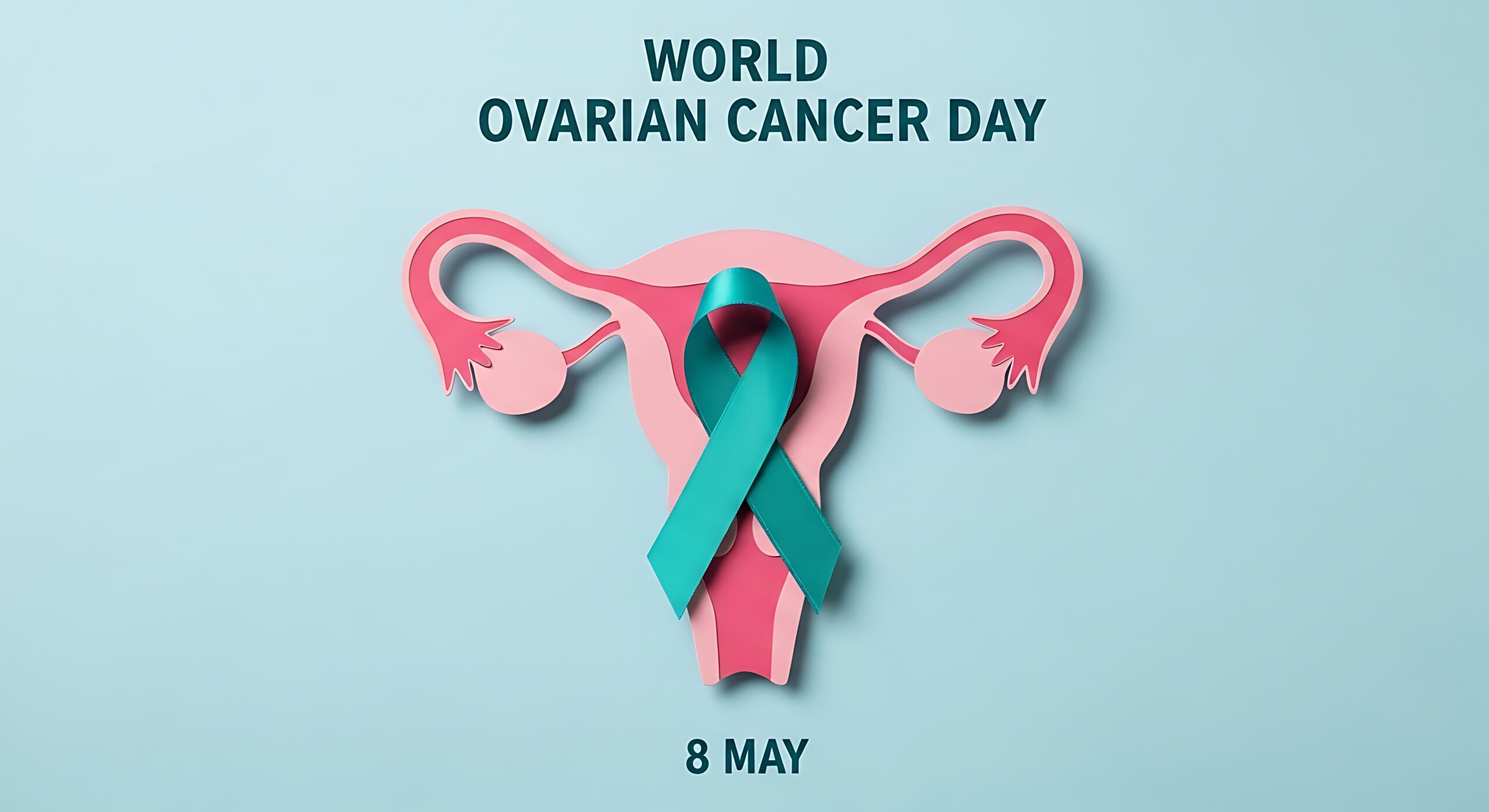
Ovarian Cancer: The Stages, Symptoms, Survival Rates, and Causes
With it being one of the deadliest cancers in women, it’s the fifth most common cause of cancer death in women, and remains a conundrum because of how difficult it is to treat. In this article, we will discuss ovarian cancer stages, symptoms, survival rates, and causes, and of course, what you can do for your personal ovarian cancer prevention plan.
Ovarian Cancer: Stages, Symptoms, and Survival Rates
- Abdominal pain and
- Urgency to urinate, or urinary incontinence
- Urinating frequently
Symptoms in women at late stages of the disease, stage III or IV, were increased abdominal girth and pain in the abdomen.
Ovarian Cancer: Causes and Prevention
- Obesity
- Infection from bacteria and viruses
- Polycystic ovarian syndrome
- Endometriosis
- Talc powder exposure
Watch My Latest Video: The Rise in Cancer in Those Under 50
Thoughts
Thanks for reading this article, “Ovarian Cancer: The Stages, Symptoms, Survival Rates, and Causes.” If you have any thoughts or comments, share them below. Schedule a complimentary 15-min call with me to get clear on what modern, science-based cancer prevention looks like.
FREE RESOURCES
Have more cancer prevention questions? We may have the answers in our free resources. Read or download them now:
1. Download the FREE eBook “HEALTHY FOOD SWAPS” if you’re ready to ditch processed and ultra-processed foods (which are linked to chronic inflammation) with healthier snack options. You’ll also get a list of healthy snacks according to weight and health goals (heart, brain focus, energy)
2. READ about the 10 foods that prevent cancer and our article on 6 Foods for Cancer Prevention
3. Read the article 4 Tips to Improve Breast Cancer Survival along with The Breast Cancer Diet that Increases Survival, then DOWNLOAD the FREE breast cancer survival kit that includes questions to ask your doctor, 8 tips to help lower your risk of a new or recurring breast cancer diagnosis, and 3 days of easy plant-based recipes.
4. Read the article Prevent a Colon Cancer Recurrence and The Optimal Colon Cancer Diet
ABOUT THE CANCER DETOX

Hi! I am Dee Grace Ph.D., scientist, author, and health coach based in Atlanta, Georgia. The Cancer Detox helps cancer patients, survivors, and those wanting to stay ahead of the curve prevent a new or recurring cancer with science-based health coaching.
Is the fear of cancer keeping you up at night? Is what you’re eating putting you at risk for cancer? What if you’re doing everything wrong and don’t even know it? Schedule a complimentary 15-min call with me to get clear on what modern, science-based cancer prevention looks like.
Purchase my book “Cancer Prevention: Diet and Lifestyle Factors that Reduce Your Risk” on Amazon. Pulling from over 100 science-based studies, I provide the case for why cancer isn’t always random and often preventable. You’ll get 24 Prevention Habits that hold you accountable for implementing a cancer prevention lifestyle. along with over 40 cancer prevention guidelines for fighting breast, lung, colon, and prostate cancers.
The information in this article is for educational purposes and is not meant to treat, diagnose, or prescribe medications or herbs. For questions on the information contained in this article, please consult with your healthcare provider. This information is intended for educational purposes only, and you should consult with your healthcare provider and a licensed dietician or certified nutritionist for additional information related to the content of this article.